
Quick Summary:
If you are leaving California for fellowship or your first attending job, an individually owned disability insurance policy can move with you. Your policy is yours—not your residency program or employer’s—and it can continue to protect your income as your career and location change.
Finishing residency is exciting, but it often comes with a long list of moving pieces: a new hospital or practice, a new city, licensing, housing, and perhaps a new family routine. Disability insurance may not be at the top of that list. Still, for physicians, fellows, dentists, and other high-income professionals, a move is an important time to make sure income protection remains aligned with the next phase of your career.
An Individual Policy Is Designed to Travel With You
One of the most valuable features of individual disability insurance
is portability. When you own the policy personally, it is not tied to your residency program, fellowship, hospital, or employer. You do not have to leave it behind simply because you are leaving California.
That matters when you are transitioning from a resident or fellow role into an attending position. Employer-provided disability benefits can change when you change jobs, and coverage offered through a new employer may not provide the same definitions, features, or level of protection you selected for yourself. An individual policy stays with you, subject to its terms and continued premium payments, even as your career path evolves.
For doctors who spent years building toward a specialty-specific role, that continuity can be especially meaningful. A well-designed own-occupation disability insurance policy is intended to help protect your ability to work in your specialty if illness or injury prevents you from doing so.
Why Your State of Residence Matters
Although an individual policy is portable, disability insurance is not identical in every state. Your state of residence can affect available policy designs, along with how coverage is priced and issued. State-specific insurance rules, carrier availability, and underwriting practices all play a role.
That is why I encourage residents and fellows to start the conversation before they relocate whenever possible. If you are still living in California but have accepted a fellowship or attending job elsewhere, we can review your timeline and discuss how the move may affect your options. Planning early can make the process smoother and help avoid treating an important coverage decision as a last-minute task during an already busy transition.
The goal is not to make assumptions based on a destination alone. Instead, it is to look at your individual situation: where you will live, when you will move, your specialty, your current coverage, your expected income, and whether you may want to increase coverage as you become an attending.
Common Destinations for California Trainees
Many California residents and fellows stay on the West Coast, while others move across the country for advanced training or their first attending opportunity. I am licensed in approximately 30 states, with a strong presence across the West Coast. New York and Texas are also common destinations for the clients I work with.
If your next chapter takes you to another state, do not assume you need to begin again with someone new just because you are moving. I can continue to work with you where I am licensed, and I simply add states as client needs arise. You can review the areas where Fadale Insurance currently serves clients on the locations page.
This multistate approach is particularly helpful for medical professionals whose training and careers may span several regions. You may train in Los Angeles, complete fellowship in another state, and return to California years later—or decide that your first attending position becomes a long-term home. Fadale Insurance is built to support those transitions with straightforward guidance rather than a one-size-fits-all recommendation.
Review Coverage Before Your Fellowship or Attending Start Date
Before you move, take time to review what you currently have. If you purchased disability insurance during residency or fellowship, look at the policy details and any available options to increase coverage in the future. A future increase rider, if included, allows you to apply for additional monthly benefit as your income grows, without having to repeat full medical underwriting. The exact terms depend on the policy.
If you have not purchased coverage yet, the transition period may still be a useful time to compare options. Your resident or fellow discount may have a limited window after graduation, and your health history can matter when applying for individual coverage. Waiting until after a move, a job change, or a health change may narrow choices that are available today.
This is also the time to compare an individual policy against any group disability coverage offered by your new employer. Group benefits can be valuable, but they should be evaluated carefully. Consider the definition of disability, benefit limits, whether benefits are taxable, how much of your income is actually protected, and whether the coverage follows you if you leave the job again.
A Move Is a Good Time to Revisit Your Income Protection Plan
Your first attending contract changes your financial picture quickly. Higher earnings can mean greater financial obligations, including student loan repayment, a mortgage, childcare, or saving for long-term goals. The disability coverage that felt appropriate during training needs to be revisited once your compensation increases.
At Fadale Insurance, I work independently and compare multiple carriers side by side. That means the discussion starts with your specialty, goals, budget, destination, and existing coverage—not with a single carrier’s product. Whether you are moving out of state for a fellowship, or accepting an attending job somewhere else, the focus is on helping you understand your options clearly.
Moving for fellowship or your first attending role is a major milestone. Your disability insurance should be ready to move forward with you.
FAQ
Can I keep my individual disability insurance if I leave California?
Do I need new coverage when I start my first attending job?
Not necessarily, but it is a good time to review your current policy, employer benefits, income increase, and any future increase options. Your needs may be different as an attending than they were during residency or fellowship.
Can Fadale Insurance help if I move outside California?
Yes. I am licensed in approximately 30 states, with strong coverage across the West Coast and frequent work with clients relocating across the country. If you relocate to a state where I am not currently licensed, I can simply contact that state's department of insurance and get licensed.
When should I contact an independent disability insurance broker before a move?
Ideally, reach out once you know your likely destination and start date. That gives us time to review your current coverage, compare appropriate options, and coordinate around your transition.
Planning a move for fellowship or your first attending job? Contact Fadale Insurance to review your disability coverage before your next chapter begins.
About The Author
Michelle Fadale
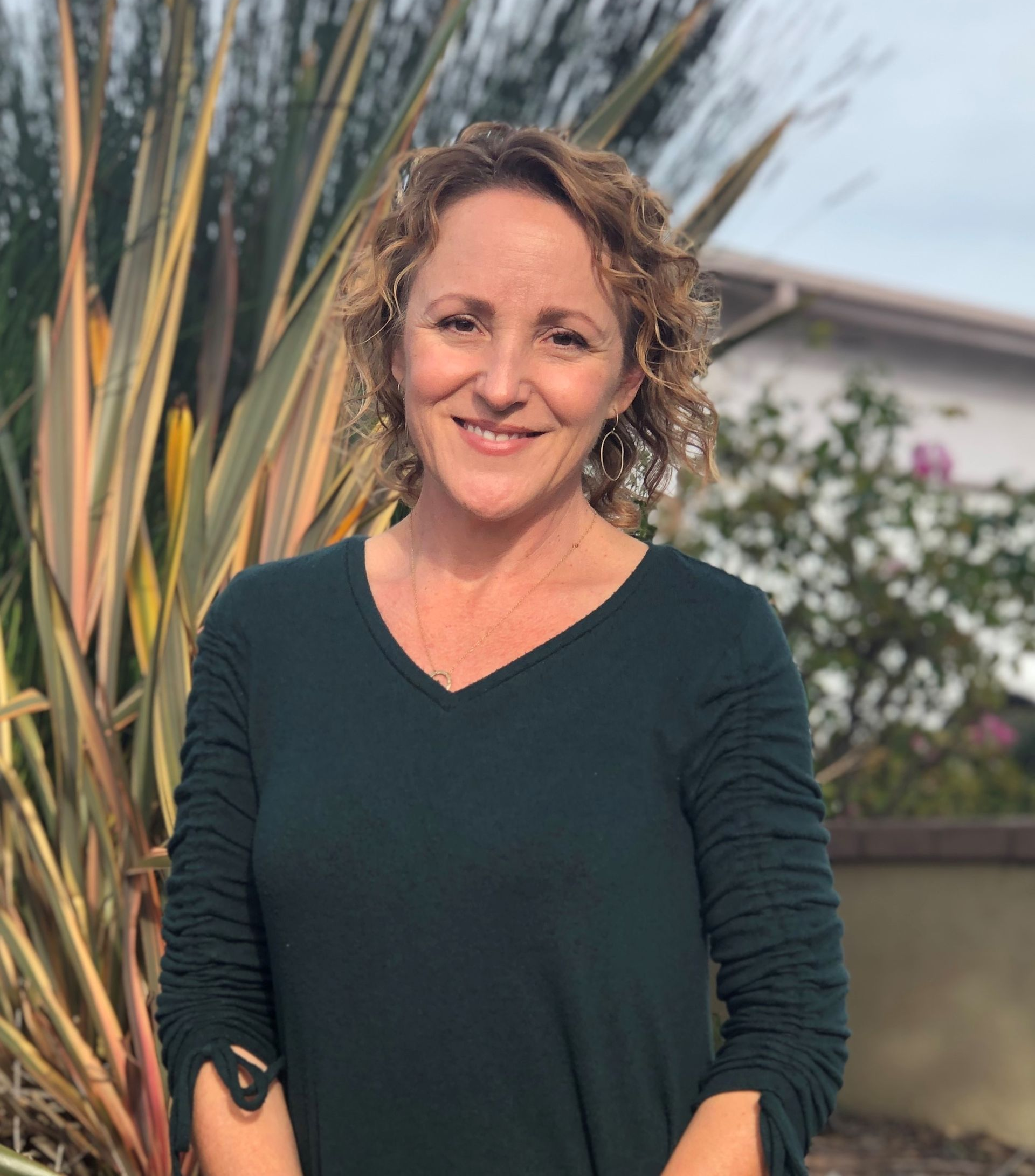
Michelle Fadale is the founder of Fadale Insurance Agency, an independent insurance broker in Torrance, CA. After 13+ years in medical sales across California hospital systems, she now helps residents, fellows, attending physicians, and dentists compare disability and life insurance from multiple carriers. CA License #0L81482.