
Quick Summary:
For most medical residents and fellows, the best time to explore individual disability insurance is during training—often as early as PGY-1, once your budget allows. You are typically younger, may have fewer health issues in your medical history, and can often complete a more straightforward underwriting process than you might later. The goal is to protect the future income you are working so hard to build.
Whether you are in your first year of residency, midway through fellowship, or preparing to become an attending, the timing of your coverage can affect your options. At Fadale Insurance, I help residents and fellows compare disability insurance carriers side by side so they can make an informed decision without pressure.
Why Disability Insurance Matters During Training
Your ability to earn an income is likely your most valuable financial asset. Years of education, long hours, and delayed earnings are all leading toward one thing: the ability to earn an attending-level income in your specialty. A serious illness or injury that prevents you from working could disrupt that plan.
Hospital-provided disability benefits can be a helpful starting point, but they may be limited in benefit amount, duration, portability, or definition of disability. An individual policy is designed to stay with you as you move from residency to fellowship, from one employer to another, or to a new state. For physicians, the policy language—especially the definition of disability—matters just as much as the monthly benefit.
Many residents explore disability insurance for residents and fellows
because training is a practical time to establish coverage before their income rises and their schedule becomes even more demanding.
PGY-1: Start Learning Your Options
PGY-1 is often a good time to get educated, even if you are not ready to purchase a policy immediately. Your budget may be tight, but this is when you can learn what individual disability insurance covers, how own-occupation definitions work, and what riders may matter to you over time.
From an underwriting perspective, being younger and in good health can work in your favor. Health history is individual, and no one can promise an outcome, but applying before future diagnoses, medications, injuries, or health changes arise may give you more options. This is one reason many residents choose to apply during training rather than waiting until after graduation.
PGY-1 is also a good time to ask questions: How much coverage can I qualify for as a resident? Can I increase coverage later as my income grows? Is a future increase rider appropriate? What does specialty-specific own-occupation coverage mean for my career path? A conversation now can give you a clearer plan for the years ahead.
PGY-2 Through PGY-4: A Practical Window to Apply
For many residents, the middle years of training are the most comfortable time to put a policy in place. You have settled into your program, understand your cash flow better, and may have a clearer idea of your specialty and long-term plans.
This is when residents start to become aware of discounts and GSI programs that are available through your GME program. Discounts should not be the only reason to choose a policy, but they can be meaningful over the life of coverage. More importantly, applying while you are still in training allows you to take advantage of simplified or more manageable underwriting compared with waiting until later. GSI programs do not require medical underwriting and can change from one academic year to the next. A GSI program that is available to you as a PGY-2 may not be offered when you are graduating, so it is always prudent to understand that 'waiting' can come at a cost.
As an independent disability insurance broker, I compare multiple carriers rather than steering you toward one company. That means we can look at differences in definitions, available riders, financial fit, and how each policy may work for your specialty.
Fellowship: Do Not Assume You Missed the Opportunity
Fellows are still generally within an important training-period opportunity. If you did not buy disability insurance during residency, fellowship can be an excellent time to review your options. You may have a more defined specialty, a clearer picture of your future attending income, and a better sense of where you plan to work after training.
Fellowship can be especially important for physicians entering procedural, surgical, or highly specialized fields, where the ability to perform the duties of your specific occupation may be central to your income. A true own-occupation disability policy may be worth exploring, depending on your specialty and personal goals.
If your program has access to a guaranteed standard issue (GSI) disability insurance program, that is another option to evaluate. GSI programs can offer valuable opportunities for eligible residents and fellows, including situations where traditional medical underwriting may be a concern. Availability and terms vary by program, so it is important to review the details carefully.
Why Age, Health, and Underwriting Matter
Individual disability insurance is medically underwritten unless you qualify through a program that uses different enrollment rules. In plain language, the carrier reviews your health history, your prescription drug history, and other application information before deciding on an offer.
That is why the training years can be advantageous. Younger applicants may have fewer medical conditions, fewer prescriptions, and a shorter health history to review. Underwriting is not just about whether you are approved; it can also influence the policy terms, exclusions, and pricing available to you.
There is no perfect time for everyone, and no one should rush into coverage they do not understand. But waiting simply because you are busy can mean applying after something changes in your health or after a training-related discount opportunity has ended.
What Happens After Graduation?
Graduation does not always mean your resident or fellow discount disappears on the same day. Many carriers provide a limited post-graduation window to apply while retaining training-related pricing or eligibility. Some windows are as short as 90 days after graduation, while others may extend up to 180 days.
Because these timelines vary by carrier, program, and sometimes your specific training situation, I can confirm the exact window for each carrier you are considering. If you are close to graduation, it is worth reviewing your options sooner rather than later so you are not making a rushed decision after a deadline has passed.
Once you become an attending, you can often still apply for disability insurance and increase coverage as your income grows. However, you may no longer qualify for the same resident or fellow discount structure, and your health and underwriting profile may have changed. Getting a policy in place during training can give you a foundation that grows with your career.
How to Decide What Makes Sense for You
The right policy is not necessarily the one with the lowest premium or the largest advertised discount. It should fit your specialty, budget, family responsibilities, debt, and future earnings potential. Key questions include whether the policy is portable, how it defines total and residual disability, whether it offers future purchase options, and which riders genuinely add value for your situation.
At Fadale Insurance, I work for you—not the insurance companies. My role is to explain the differences clearly, compare available options, and help you choose a path that feels appropriate for where you are now and where you are headed.
FAQ
Should medical residents buy disability insurance in PGY-1?
PGY-1 can be a smart time to learn about your options and, for some residents, to apply. Age, health, and a simpler medical history may make the underwriting process more favorable than it could be later.
Is fellowship too late to get resident disability insurance discounts?
No. Many fellows remain eligible for training-related opportunities, depending on the carrier and program. The exact eligibility rules and discount availability vary, so it is important to confirm them before graduation.
How long do resident and fellow discounts last after graduation?
It depends on the carrier. Some post-graduation windows are 90 days, while others can extend up to 180 days. I can confirm the applicable deadline for each carrier and your situation.
Can I increase disability insurance when I become an attending?
Often, yes. Many policies offer options to apply for additional coverage as your income increases, and future increase riders allow increases without new medical underwriting, subject to the policy’s rules.
Do I need individual coverage if my hospital already provides disability benefits?
Employer coverage can be helpful, but it is important to understand its limitations. Individual coverage may offer portability and policy features that are not available through an employer plan. Reviewing both together can help you identify gaps.
If you are a resident or fellow and want to understand your options before a discount or graduation window closes, request a disability insurance quote. I will help you compare the available choices and confirm the details that apply to you.
About The Author
Michelle Fadale
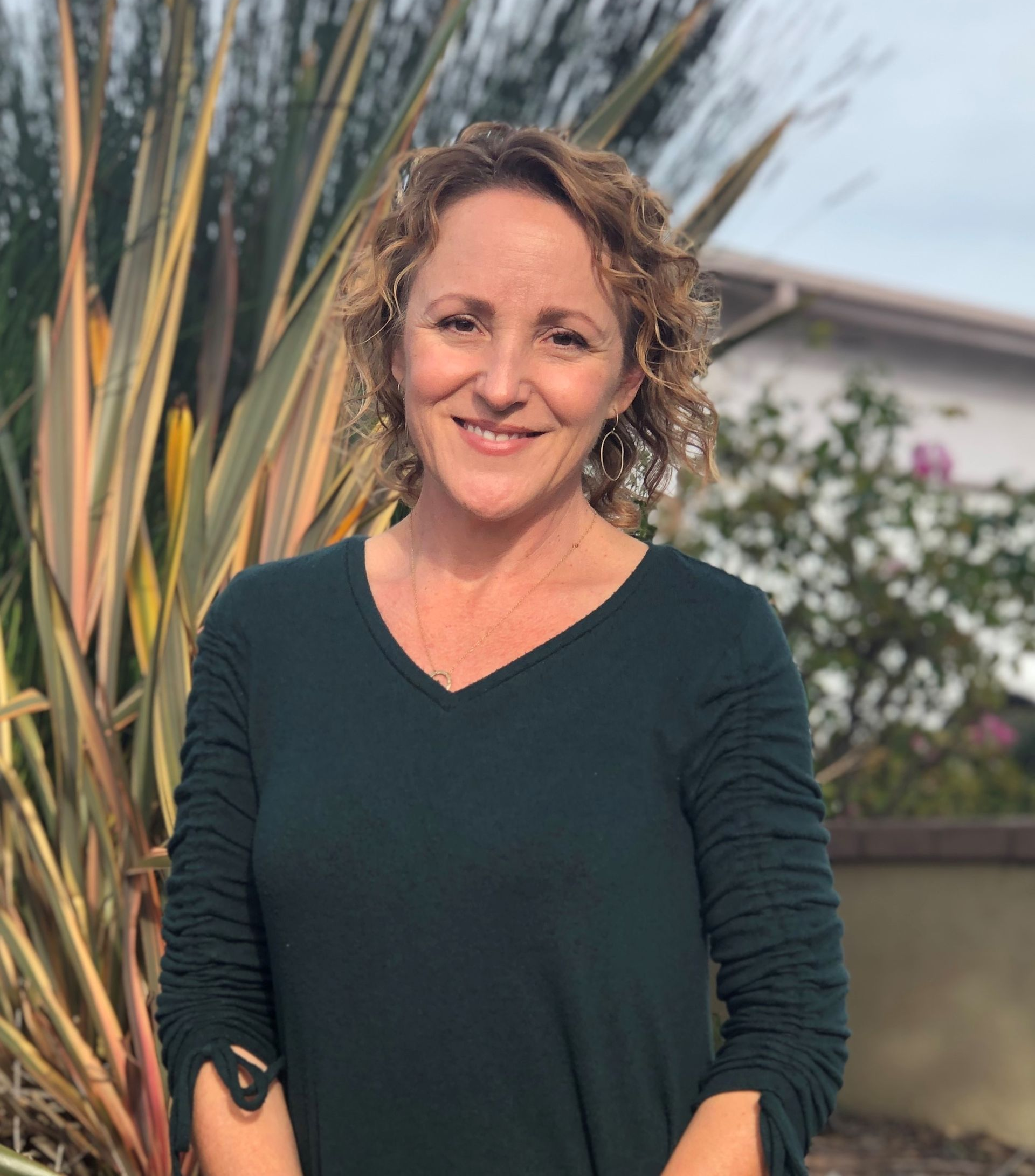
Michelle Fadale is the founder of Fadale Insurance Agency, an independent insurance broker in Torrance, CA. After 13+ years in medical sales across California hospital systems, she now helps residents, fellows, attending physicians, and dentists compare disability and life insurance from multiple carriers. CA License #0L81482.